
Pilates in Edmonton
I teach hot mat Pilates at Oxygen in Chappelle and Windermere — heated, no machines, and the reformers are in the same building.
What I teach, and what else is in the building.
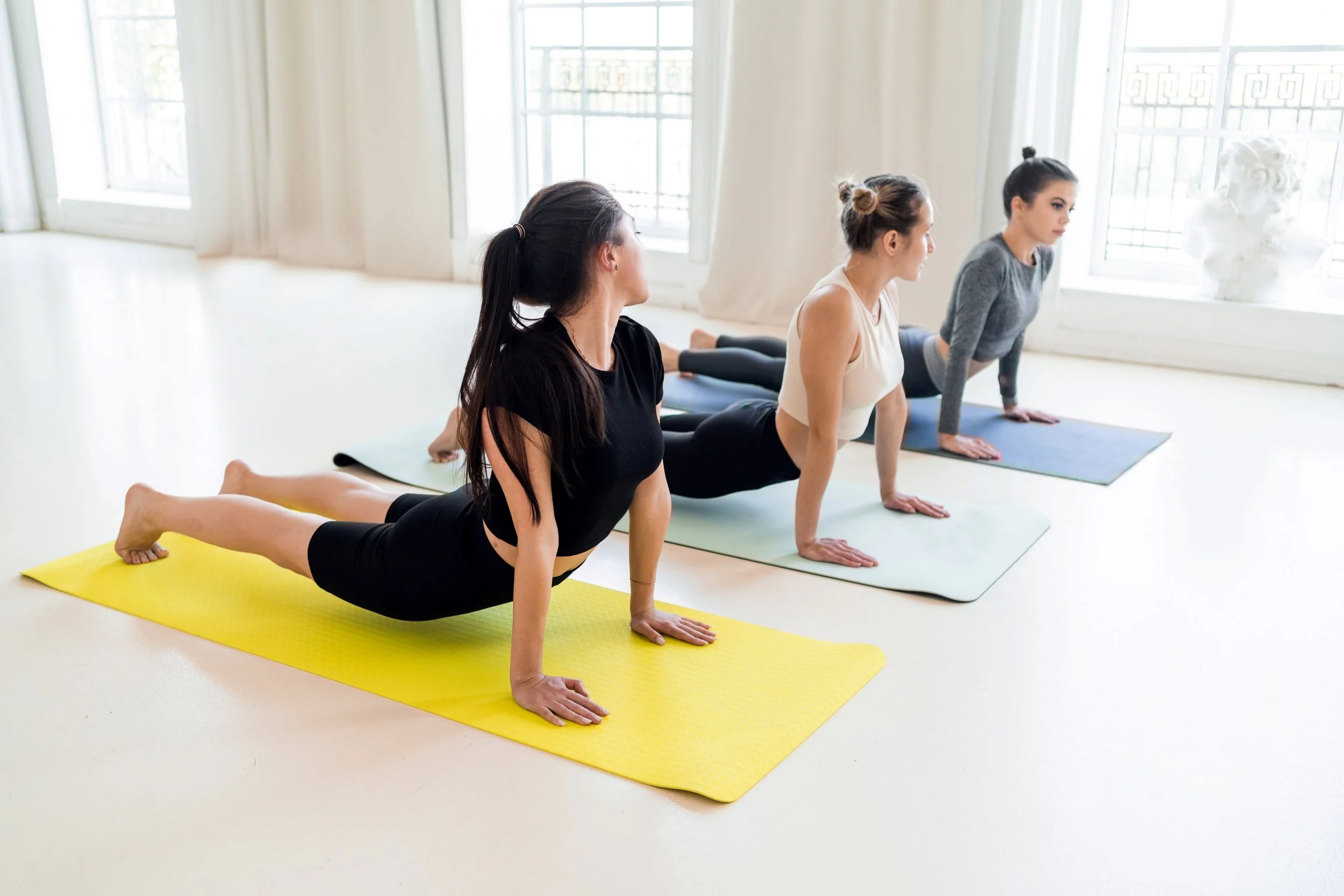
I teach hot mat Pilates at Oxygen Yoga & Fitness, at the Chappelle and Windermere studios in southwest Edmonton. Mat Pilates means the floor version — your own bodyweight, small props, no machines. At Oxygen it is done in a far-infrared heated room, which almost no other Pilates studio in this city can say.
My classes blend the Pilates method with athletic yoga rather than running the classical repertoire in order. If you specifically want a classical lineage studio, that is a different thing and worth knowing before you book. If what you want is core strength, control and a class that leaves you feeling like you worked, this is that.
The studios also have reformer machines on site. I do not teach reformer and I will not pretend otherwise — but it does mean you can do both under one roof, which is unusual, and there is a whole section below on whether you need one at all.
If you are trying to work out whether you need a reformer at all, skip ahead — there is a straight answer to that further down, and it is the question most people are actually stuck on.
The hot mat Pilates classes I teach.
Two formats, both mat-based, both booked through the studio rather than through me. Drop-in or membership — you do not need to be a member to try one.
Hot Fast & Furious Fusion
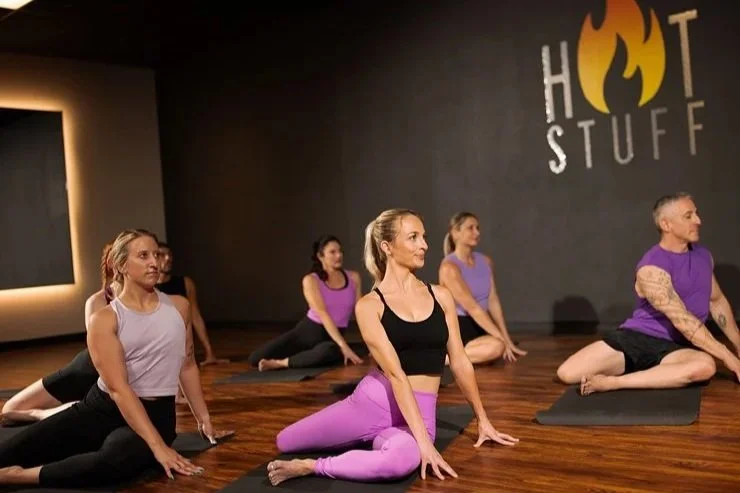
The one I teach most. A dynamic full-body class that blends Pilates-style exercises with athletic yoga — so you get the control and core work of Pilates with more movement and more pace than a traditional mat class. Fully heated. This is the class to come to if you want Pilates that feels like a workout.
CORE-Lates (Reduced Heat)
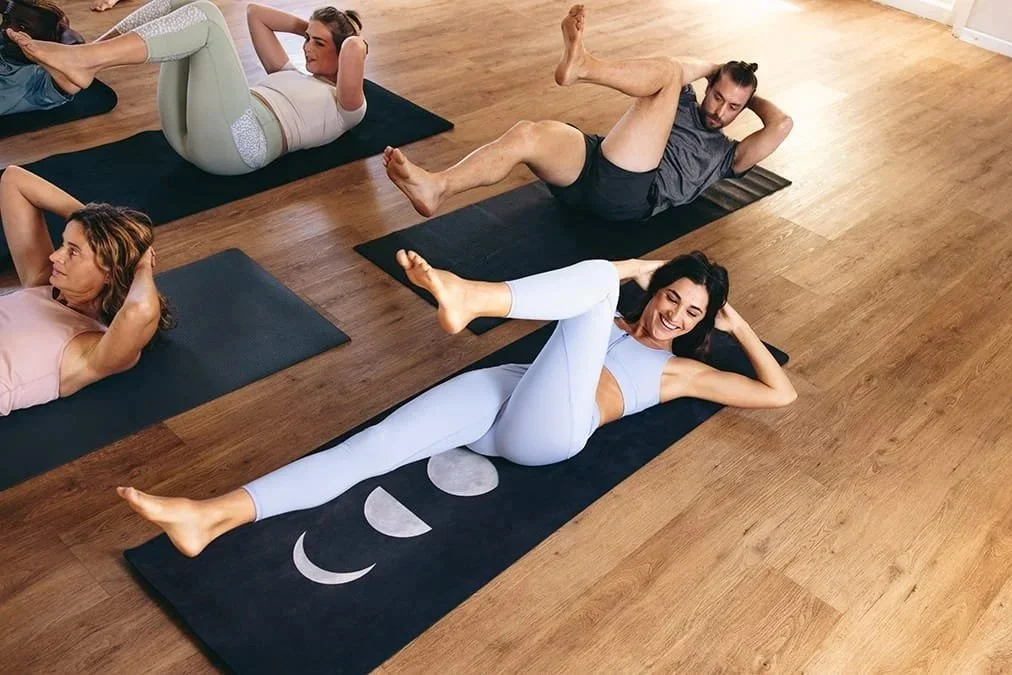
Mid-paced and core-focused. Controlled Pilates movement with some yoga-inspired work layered in, aimed squarely at the mind-to-muscle connection — actually feeling which muscle is doing the job rather than muscling through. Run at reduced heat, so a warm room rather than a fully heated one. The easier of the two to start with.
'Reduced Heat' on a class name means a warm room rather than a fully heated one. If you are unsure how you will find the heat, start there.
Where these run.
Oxygen Yoga & Fitness — Chappelle. 14131 28 Avenue SW, in Heritage Valley.
Oxygen Yoga & Fitness — Windermere. 1273 Windermere Way SW.
I also teach yoga and strength classes at both, plus at Oxygen Edgemont in west Edmonton. The yoga page has those.
Yes, there are reformers here.
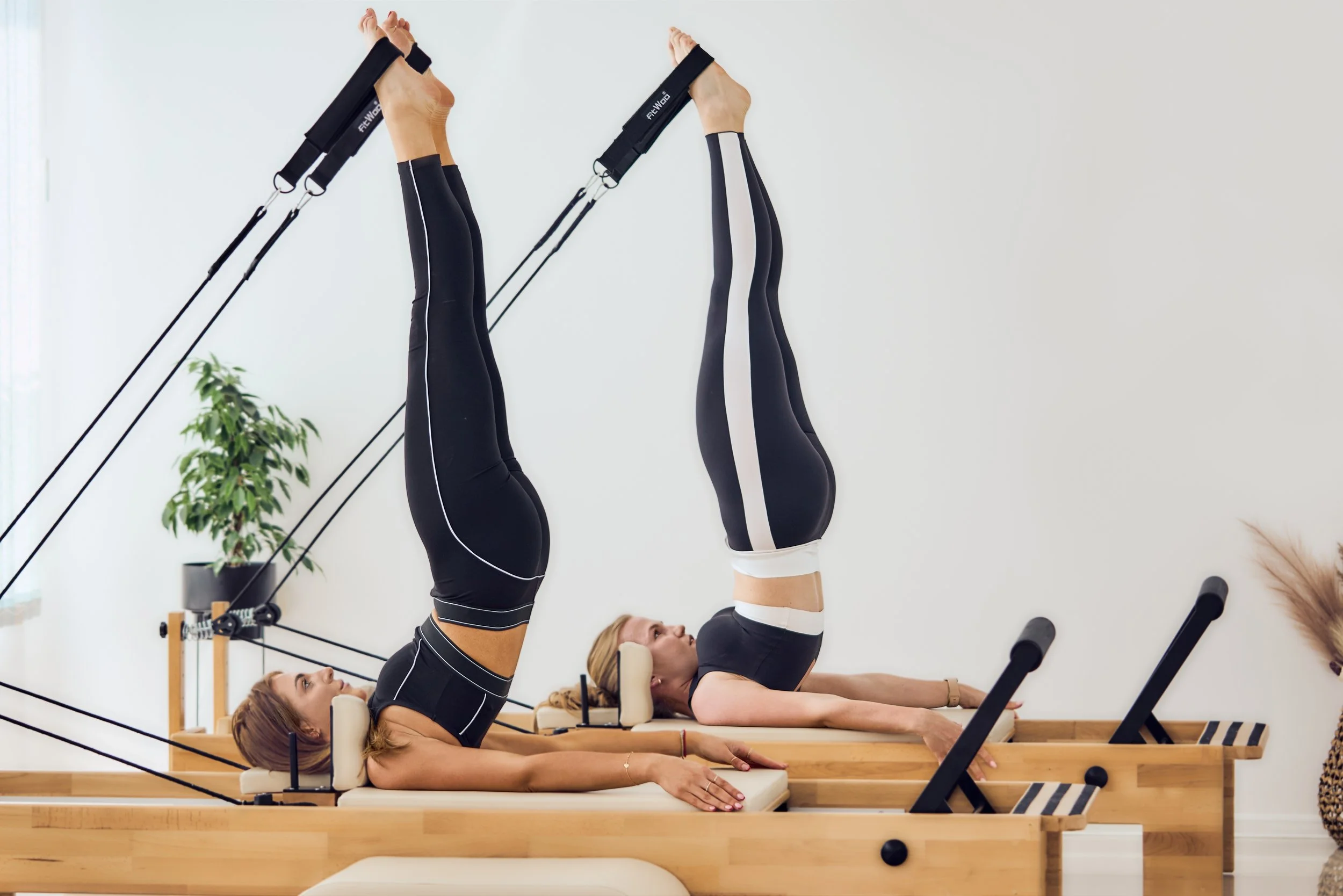
Chappelle has reformer machines on site. They run as a self-serve kiosk rather than instructor-led group classes — you book a machine and work through guided sessions on the system rather than following a teacher round a room. Worth confirming with Windermere directly whether they have the same setup.
I am going to recommend them anyway, which is not the obvious thing for someone who teaches mat classes to do. If you have been curious about a reformer, this is a genuinely good way to try one. A dedicated reformer studio will ask you to commit to a membership or a class pack before you have any idea whether you like the machine. Here you can take a mat class, book a kiosk session afterwards, and find out — in the same building, on a membership you may already have.
To be completely clear about who does what: the reformers belong to the studio, the studio handles access and booking, and I have nothing to do with either. I teach the mat classes. If a reformer turns out to be what you want, that is a conversation with the front desk, not with me, and I will still think you made a good decision.
Do you actually need a reformer?
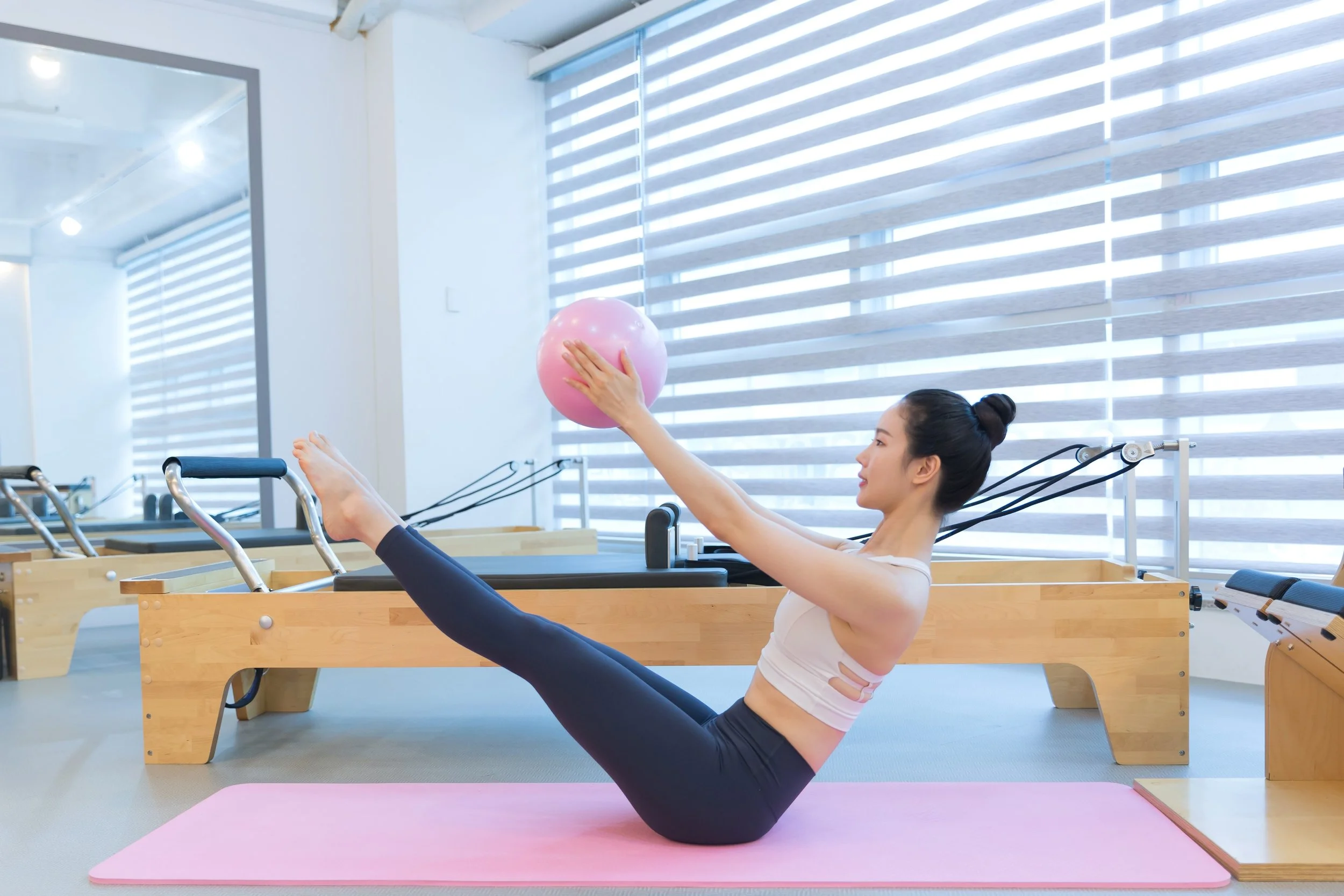
For most people starting Pilates: no. Mat work is not a watered-down version of reformer work — the method began on the mat, and the machines were built to help people get to positions the mat demands. Starting on the floor is starting at the beginning, not at the shallow end.
Here is the honest difference. On a mat, you supply all the stability yourself. Every bit of control comes from you, which is why beginners often find mat work more demanding than they expected and why it builds a foundation that transfers well. On a reformer, the carriage and springs give you feedback and support — that support is genuinely useful if you are working around an injury, if you need a movement broken down, or if you want loaded resistance you cannot get from bodyweight alone.
So the reformer earns its place when you have a specific reason for it: rehabilitation, a body that needs the assistance to find a position at all, or a training goal that calls for progressive external load. It is not a prerequisite, and it is not a more advanced version of the same class.
Why this needs saying: reformer studios have advertised heavily in Edmonton for the last two years, and searches for reformer Pilates here have more than tripled year over year. A lot of people now assume Pilates means a machine. If you are one of them, you may well be paying more for something you did not need — or, more often, not starting at all because a reformer studio felt like a bigger commitment than you wanted to make.
My suggestion, if you are undecided: do some mat work first, mine or anyone's. You will learn the vocabulary of the method — what the cues mean, what neutral spine actually feels like — and if you then want a reformer, you will get far more out of it than someone arriving cold. Oxygen happens to have both under one roof, which makes trying it in that order straightforward.
Pilates or yoga?
Broadly: Pilates works core control and precise, repeated movement patterns. Yoga works range of motion, breath and held shapes, and carries a philosophical tradition you can take or leave. They overlap more than purists like to admit, and if you enjoy both, doing both is a perfectly sensible answer.
I teach both at the same studio, so I am not going to argue for one over the other. If you want the longer comparison, or you want to see the yoga schedule, it is all on the yoga page.
If you are after strength specifically.
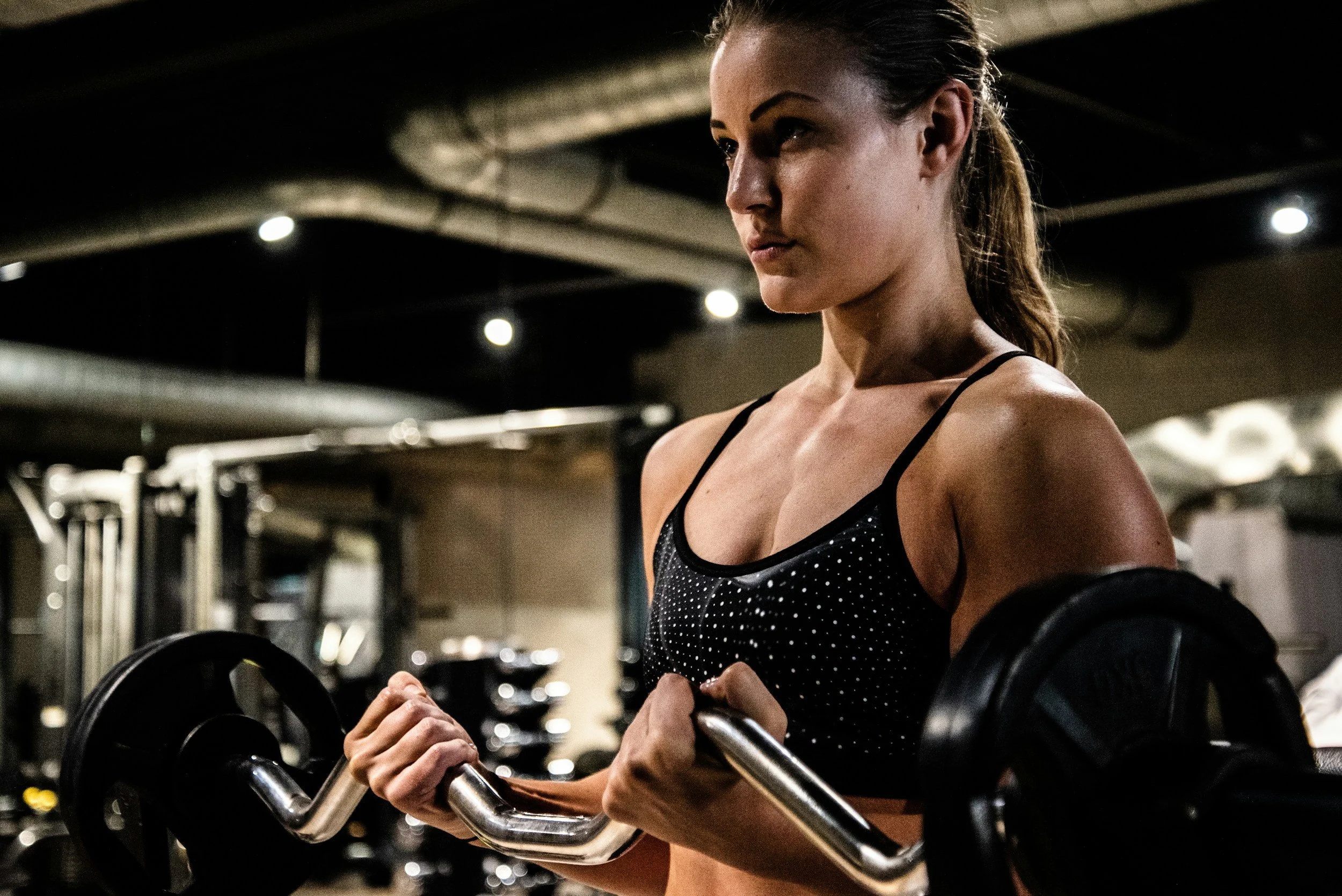
Pilates will make you more controlled, more aware of how you move, and stronger through the middle. What it will not do much of is build significant muscle or bone density — that needs progressive loading with real external resistance, added over time.
That is what my strength coaching is for, and it is the other half of what I do. Nutrition coaching handles the eating side. Plenty of people take Pilates classes with me and nothing else, which is completely reasonable — but if strength is the actual goal, I would rather point you at the right thing.
Common Questions.
-
Mat Pilates is done on the floor using your own bodyweight and small props. Reformer Pilates uses a spring-loaded carriage that both assists and resists you. Mat is the original method and demands more self-generated stability; the reformer is more useful for rehabilitation, for breaking a movement down, or for adding external load. Neither is the advanced version of the other.
-
No. Pilates is a method for learning to control movement, which means it works from wherever you are starting. The first few classes are mostly about learning what the cues mean — once the vocabulary lands, the rest follows.
-
Same method, warmer room. Oxygen uses far-infrared heat, which warms you rather than the air, so it feels less heavy than a forced-air hot room. Tissue warms up faster, and you will sweat considerably more than in an unheated class. CORE-Lates runs at reduced heat if you want to ease into that.
-
A mat, water and a towel. Both studios have water refill stations. Arrive fifteen minutes early for a first class so the front desk can set you up.
-
No — I teach the hot mat classes. The reformers at Chappelle are a self-serve studio amenity and access is arranged through the front desk, not through me. I am happy to point you at them.
-
Not as such — my Pilates teaching is all group classes at the studio. One-to-one work with me is yoga, though a fair amount of what happens in a mat Pilates class shows up in those sessions anyway, because the core control and breath work carry across. If that is what you are after, the private yoga page is the place to look.
-
It often helps, and it is one of the most common reasons people start. But 'back pain' covers a very wide range of causes, and some of them need assessment rather than a class. If you have a diagnosis, or pain that is sharp, spreading or new, see a physiotherapist first — and then a class is a good place to continue.