
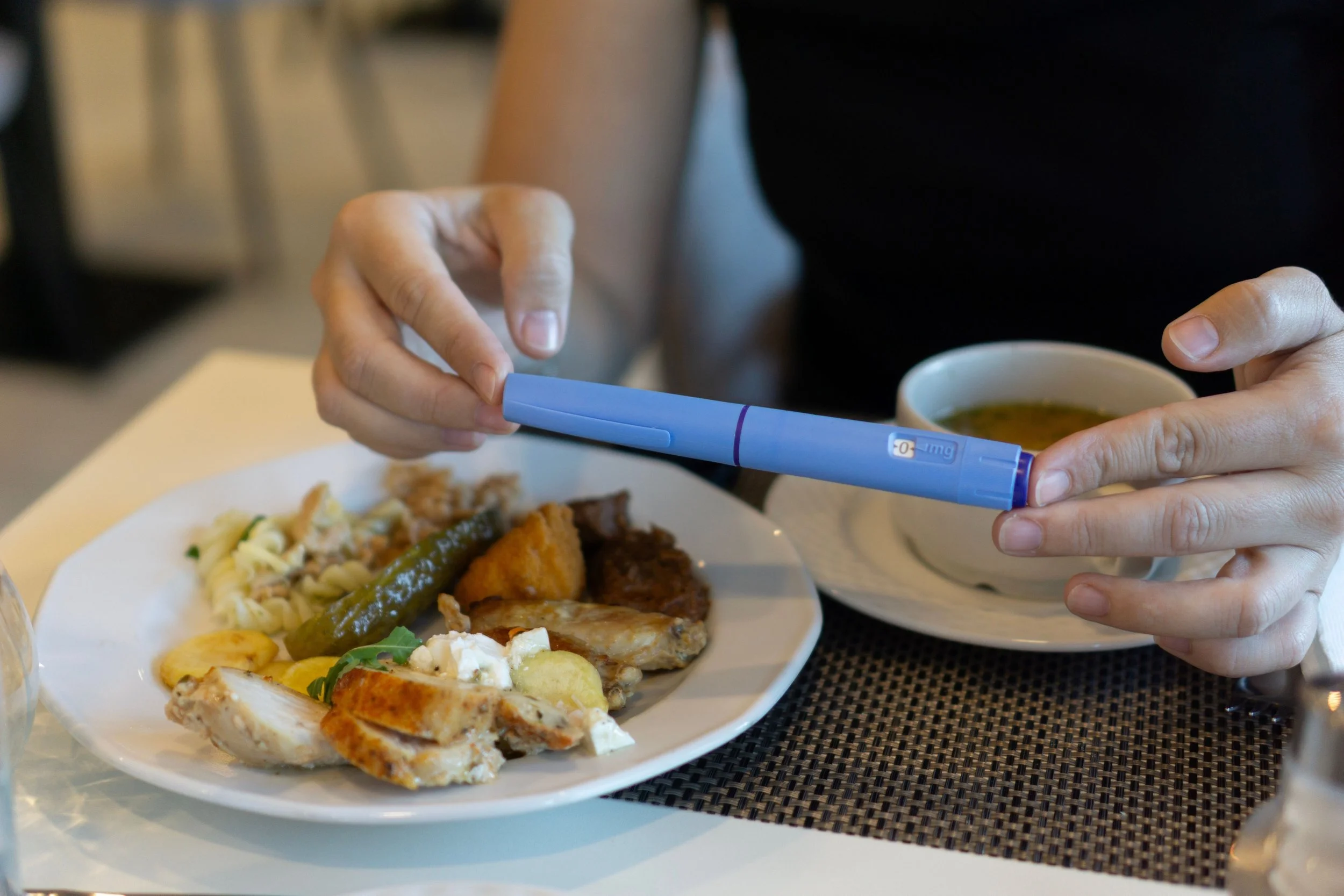
Nutrition Support on a GLP-1
The medication handles your appetite. Protecting your muscle — and keeping the weight off afterwards — is the part nobody's coaching you through.
Nutrition Support on a GLP-1
What this is.
If you're on Ozempic, Wegovy, Mounjaro or a similar medication, your prescriber is handling the medical side. This is the other side: eating in a way that protects your muscle while the weight comes off, getting enough protein when you genuinely can't eat much, and building habits that still work if you ever come off. I coach nutrition alongside your prescriber, never instead of them — I don't advise on your medication, your dose, or whether to be on it at all.
The two things actually worth worrying about.
1. Some of what you lose is muscle — but let's be accurate about it
In the semaglutide trials, roughly 39–40% of the weight lost was lean mass; in the tirzepatide trial it was closer to a quarter. Those are real numbers and they're worth taking seriously. But here's the context almost nobody gives you: that range is broadly in line with what happens in ordinary dieting and after bariatric surgery — reviews put lean loss at somewhere between 20% and 50% of total weight lost across all these methods. Losing some lean tissue while losing weight is normal. It isn't a special curse of these drugs.
What follows from that is practical rather than frightening. The medication isn't the problem; the problem is losing weight fast while eating very little and not training. Those are exactly the two things we can do something about.
2. What happens when you stop
This is the one I'd pay more attention to. In the STEP 1 trial extension, participants regained about two-thirds of the weight they'd lost within a year of stopping. That's not a criticism of the medication — it's doing what it does while you take it. It's an argument for using this window differently: the months you're on it are the easiest months you'll ever have to build the eating habits and the muscle that determine what happens afterwards.
What we work on.
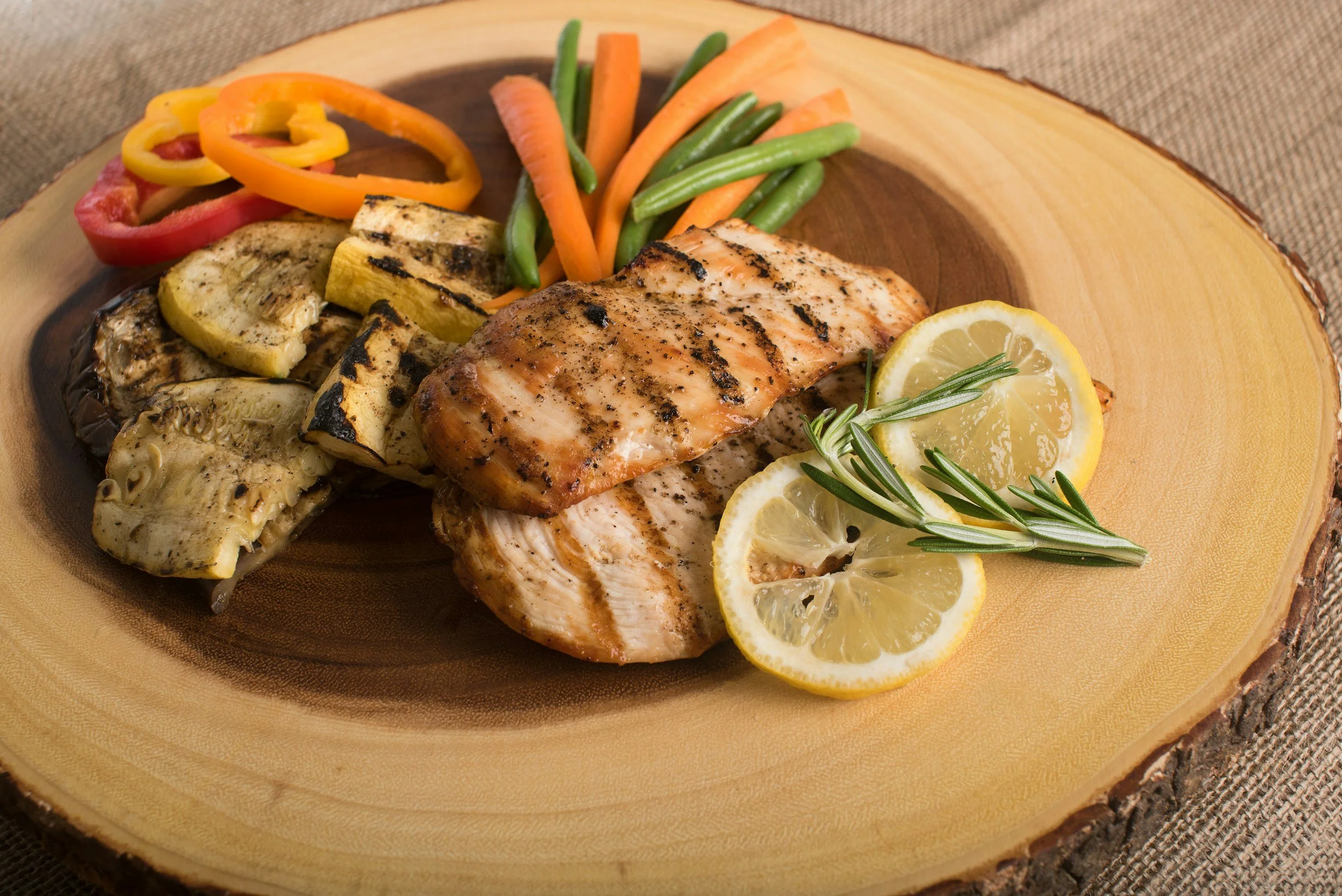
Getting protein in when you can't eat much
This is the real problem on a GLP-1, and it isn't willpower — your appetite is gone and your portions are genuinely small, so every bite has to earn its place. That changes how a plan gets built: protein first at every meal, smaller and more frequent when that works better, and foods that go down easily on the days when not much does. Most people I'd work with are eating far less protein than they think, because they're eating far less of everything.
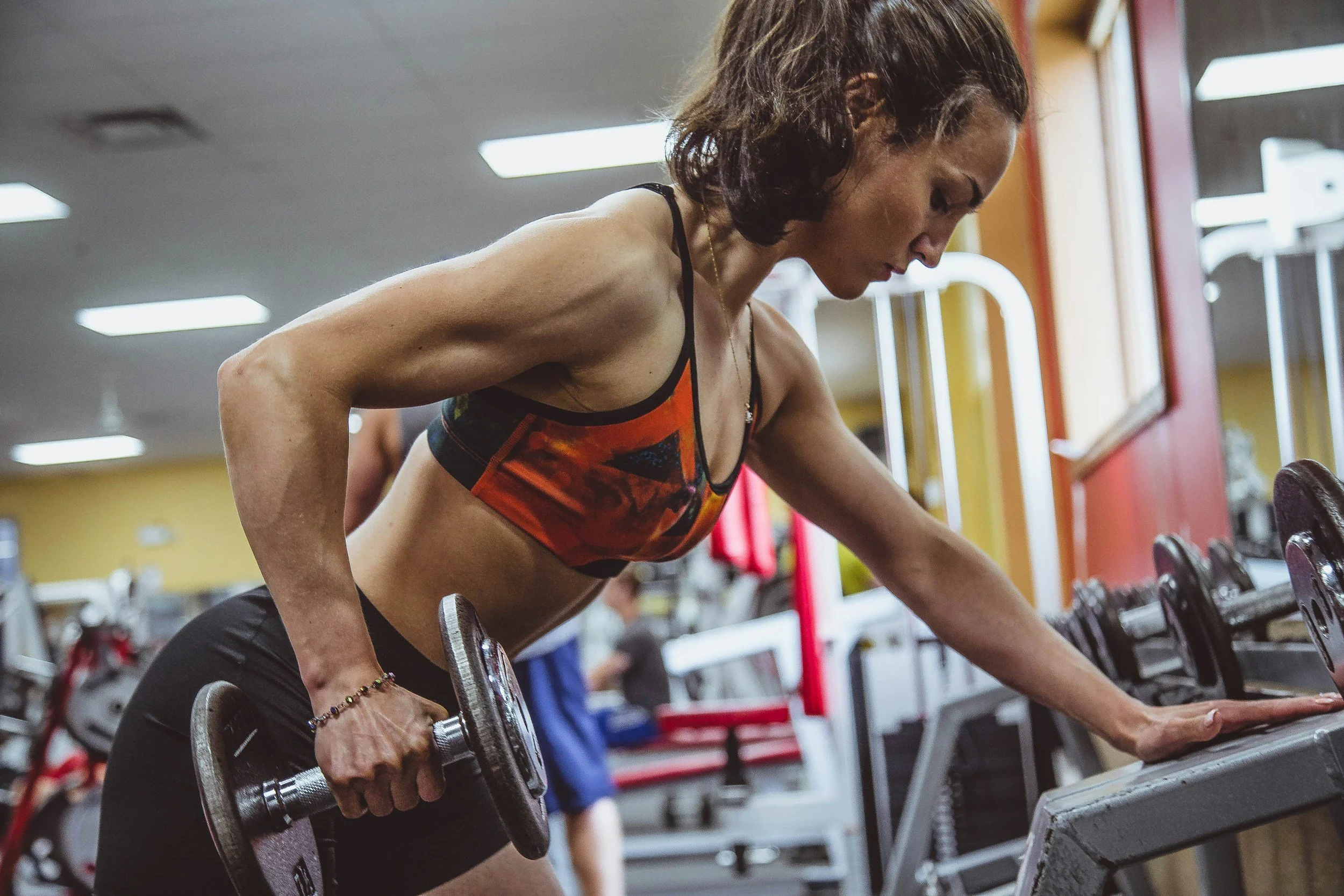
Lifting, so your body keeps the muscle
Protein gives your body the material; resistance training gives it the reason. Together they're the best tools anyone has for holding onto lean tissue during weight loss, and neither works nearly as well alone. If you've never lifted, that's fine — we start ridiculously small. I coach powerlifting, so this part isn't an afterthought for me.
Habits that outlast the prescription
The medication makes eating less feel easy, which means the habits you build now are being built on easy mode — and that's exactly why it's the right time. Cooking, shopping, planning, protein targets, a training routine you'll actually keep: these are the things still standing if you come off, and they're what the regain data says matters most.
What I don't do.
I'm a nutrition coach, not a prescriber and not a dietitian. I don't give advice on your medication — not the dose, not the timing, not whether to start, stop, pause or switch. If you're dealing with nausea, vomiting, constipation or anything else that's bothering you physically, that's a conversation with your prescriber or pharmacist, not with me. And if you have a diagnosed condition alongside this — diabetes, kidney disease, anything where what you eat is part of your treatment — that's Registered Dietitian territory and I'll help you find one.
Here's the honest test: if a question is about the drug, it's theirs. If it's about the food and the training around the drug, it's mine.
If you're planning to come off.
Start before you stop, not after. The habits, the protein target and the training routine want to be established and boring by the time the appetite suppression goes away — because it will come back, and it's a much fairer fight if the structure is already in place. This is the single best-timed reason to work with someone, and almost nobody does it in the right order.
What coaching looks like.
Targets built for you — calories and macros set around your actual appetite, with protein high enough to protect muscle even on small portions.
A meal plan rebuilt weekly — protein-dense, realistically sized, built around what you can currently stomach. See how meal plans work.
Weekly check-ins — you send your week; I read it and adjust. Energy, training and how much you actually managed to eat all count.
Habit coaching — the part that's still there after the prescription ends.
Direct messaging — nutrition questions between check-ins come straight to me. Medication questions go to your prescriber.
$80 a month, month to month, cancel any time. See exactly what's included.
Questions people on GLP-1s ask.
-
Some lean tissue loss is normal on any weight loss method. In the semaglutide trials it was roughly 39–40% of the weight lost, and closer to a quarter in the tirzepatide trial — which sits broadly in line with ordinary dieting and bariatric surgery. The two things shown to help most are eating enough protein and doing resistance training, which is exactly what coaching focuses on here.
-
For most active adults the evidence supports roughly 1.6 to 2.0 grams per kilogram of bodyweight daily, toward the higher end while losing weight. The challenge on a GLP-1 isn't the number — it's fitting it into a much smaller appetite, which is a planning problem rather than a discipline problem. If your intake is very low overall, that's worth raising with your prescriber or a Registered Dietitian.
-
The STEP 1 trial extension found participants regained about two-thirds of the weight lost within a year of stopping. That's the honest number, and it's the strongest argument for building eating habits and muscle while you're still on the medication rather than afterwards.
-
No, and I won't. That decision belongs to you and your prescriber, and a nutrition coach has no business influencing it in either direction. What I do is the same whichever way you go.
-
Yes — most of my clients aren't. The approach here is the same one I use everywhere: protein, strength, habits, weekly adjustments. The GLP-1 just changes what's hard about it.
Use the window well.
Book a free consultation. Twenty minutes to talk about where you are, what your prescriber has you on, and what we'd actually work on — no pitch, and no opinions about your medication.